Introduction to German Animal Names
Learning german animal names is a simple and useful way to build your German vocabulary. Animal words are common in daily talks, books, travel, and nature trips. If you visit Germany, you may see pets, farm animals, birds, insects, or wild animals. Knowing their German names can make these moments more fun and easier to understand.
Germany has many types of landscapes. You can visit the North Sea, walk through green forests, or explore the Bavarian Alps. Each place offers a chance to see nature in a new way. Even if you never travel to Germany, animal words can help you learn German in a friendly and practical way.
Why Learn German Animal Names?
Animal vocabulary is great for beginners because many words are easy to use in short sentences. You can talk about your pet, describe an animal, or ask what you saw during a walk.
Here are a few reasons to learn these words:
They are useful in daily German.
They help with simple conversations.
They make nature trips more enjoyable.
They improve your basic German vocabulary.
They help you understand German stories and media.
Some animal words appear in common German expressions.
The best way to learn is to connect each word with a clear picture. For example, when you see a cat, think Katze. This small habit can make new words much easier to remember.
German Animal Names for Pets
Pets are part of many German homes. Cats and dogs are especially common. You may also find rabbits, hamsters, birds, and fish kept as pets. Learning these words is useful if you have a pet or talk with German speakers about animals.
| German | English |
| Katze | Cat |
| Hund | Dog |
| Hamster | Hamster |
| Kaninchen | Rabbit |
| Maus | Mouse |
| Ratte | Rat |
| Meerschweinchen | Guinea pig |
| Goldfisch | Goldfish |
| Papagei | Parrot |
A useful tip is to learn the article with each noun. For example, die Katze means “the cat,” while der Hund means “the dog.” German nouns have grammatical gender, so learning the article at the same time can save you work later.
German Animal Names for Farm Animals
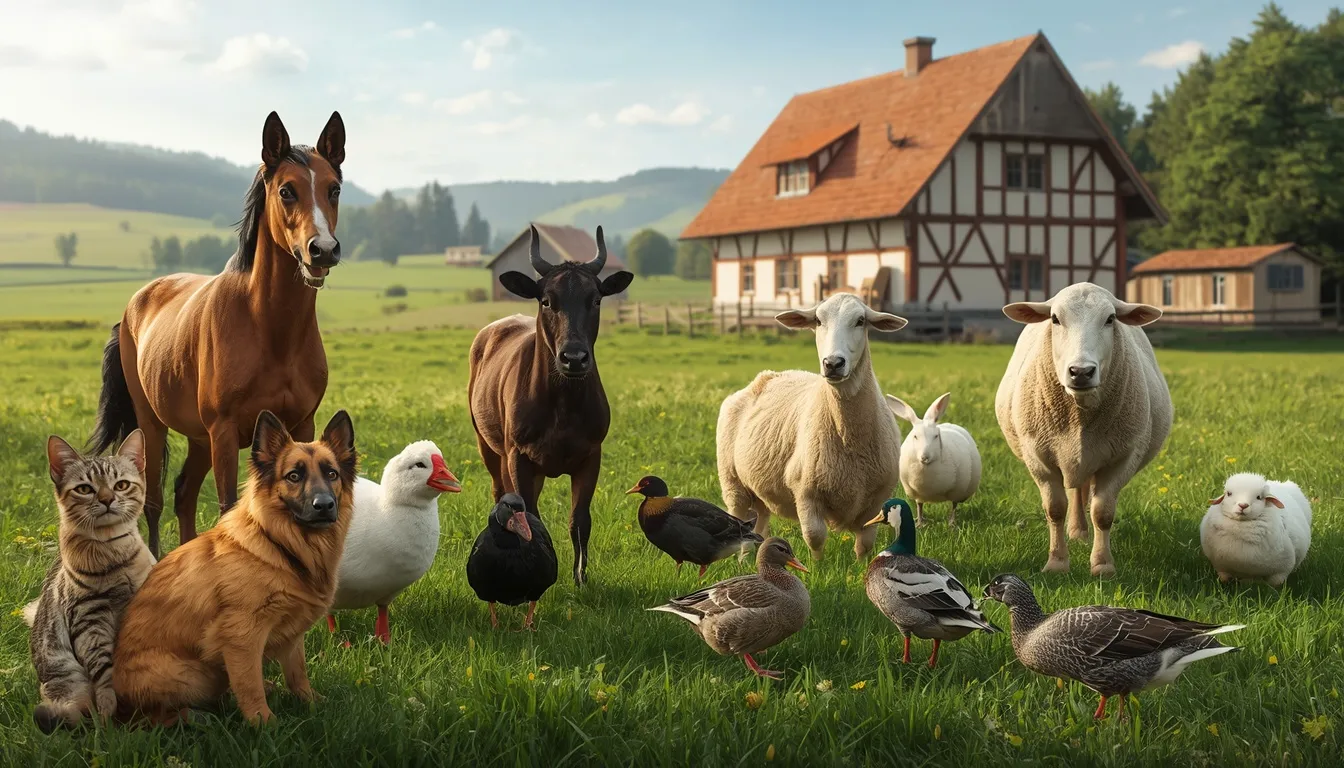
Farms are another good place to use animal vocabulary. Germany has a long farming tradition, and you can find many types of livestock in rural areas. These words are also common in children’s books, stories, and basic German lessons.
| German | English |
| Kuh | Cow |
| Schwein | Pig |
| Schaf | Sheep |
| Ziege | Goat |
| Pferd | Horse |
| Huhn | Chicken |
| Henne | Hen |
| Hahn | Rooster |
| Gans | Goose |
| Ente | Duck |
| Truthahn | Turkey |
Some words are easy to remember because they are short. Pferd, for example, means horse. Try saying each word aloud several times. Hearing your own voice can help connect the German word with the animal in your mind.
Wild German Animal Names
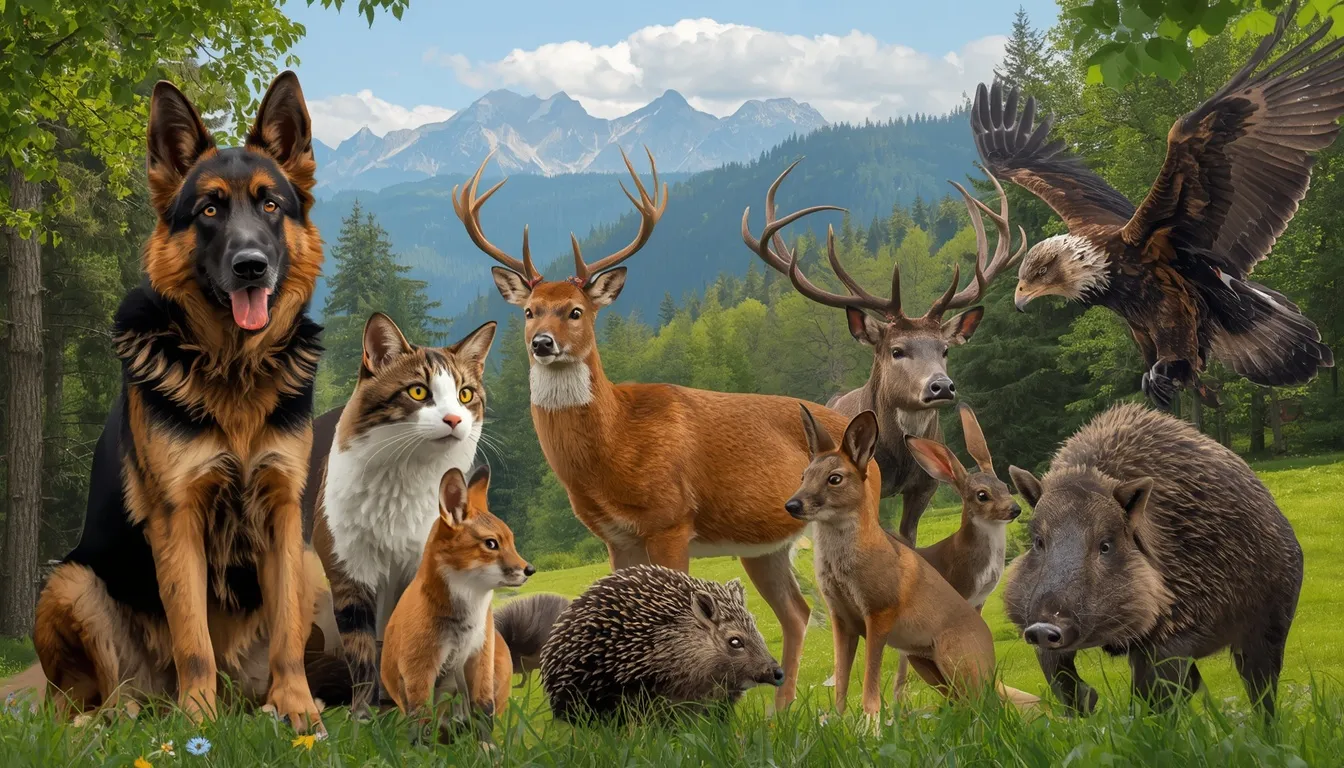
Germany has forests, mountains, wetlands, and protected natural areas. These places support many wild animals. If you enjoy hiking or watching wildlife, this group of words is especially useful.
| German | English |
| Bär | Bear |
| Wolf | Wolf |
| Hirsch | Deer |
| Hase | Hare |
| Fuchs | Fox |
| Igel | Hedgehog |
| Eichhörnchen | Squirrel |
| Eber | Boar |
| Murmeltier | Groundhog |
You may notice that some German words look familiar to English speakers. Wolf is one example. Others, such as Eichhörnchen, look very different. Do not worry about the long words. Break them into smaller sounds and practice them slowly.
Read more : Gold Rate Today: Gold Price Falls as Fed Rate Hike Fears Rise
Zoo and Exotic Animal Names in German
Not every animal lives naturally in Germany. Still, zoo animals are useful when learning german animal names. These words can also appear in travel guides, children’s stories, documentaries, and German learning materials.
| German | English |
| Löwe | Lion |
| Tiger | Tiger |
| Jaguar | Jaguar |
| Elefant | Elephant |
| Giraffe | Giraffe |
| Affe | Monkey |
| Gorilla | Gorilla |
| Känguru | Kangaroo |
| Koala | Koala |
| Panda | Panda |
| Faultier | Sloth |
One nice thing about this list is that some words are close to English. Tiger, Gorilla, and Panda are easy examples. Others, like Faultier, are completely different. Learning both types gives you a good mix of easy wins and new vocabulary.
German Names for Marine Animals
Germany has coastlines along the North Sea and Baltic Sea. It also has many rivers and lakes. Water animals are therefore another useful part of German vocabulary.
| German | English |
| Fisch | Fish |
| Hai | Shark |
| Delfin | Dolphin |
| Wal | Whale |
| Seelöwe | Sea lion |
| Qualle | Jellyfish |
| Tintenfisch | Squid/Octopus |
| Seepferdchen | Seahorse |
| Seeigel | Sea urchin |
| Seestern | Starfish |
| Muschel | Mussel/Shellfish |
| Seegurke | Sea cucumber |
A fun word here is Seepferdchen. It literally combines words linked to “sea” and “little horse,” which makes the word easier to picture. German often creates new words by joining smaller words together.
German Names for Bugs and Insects
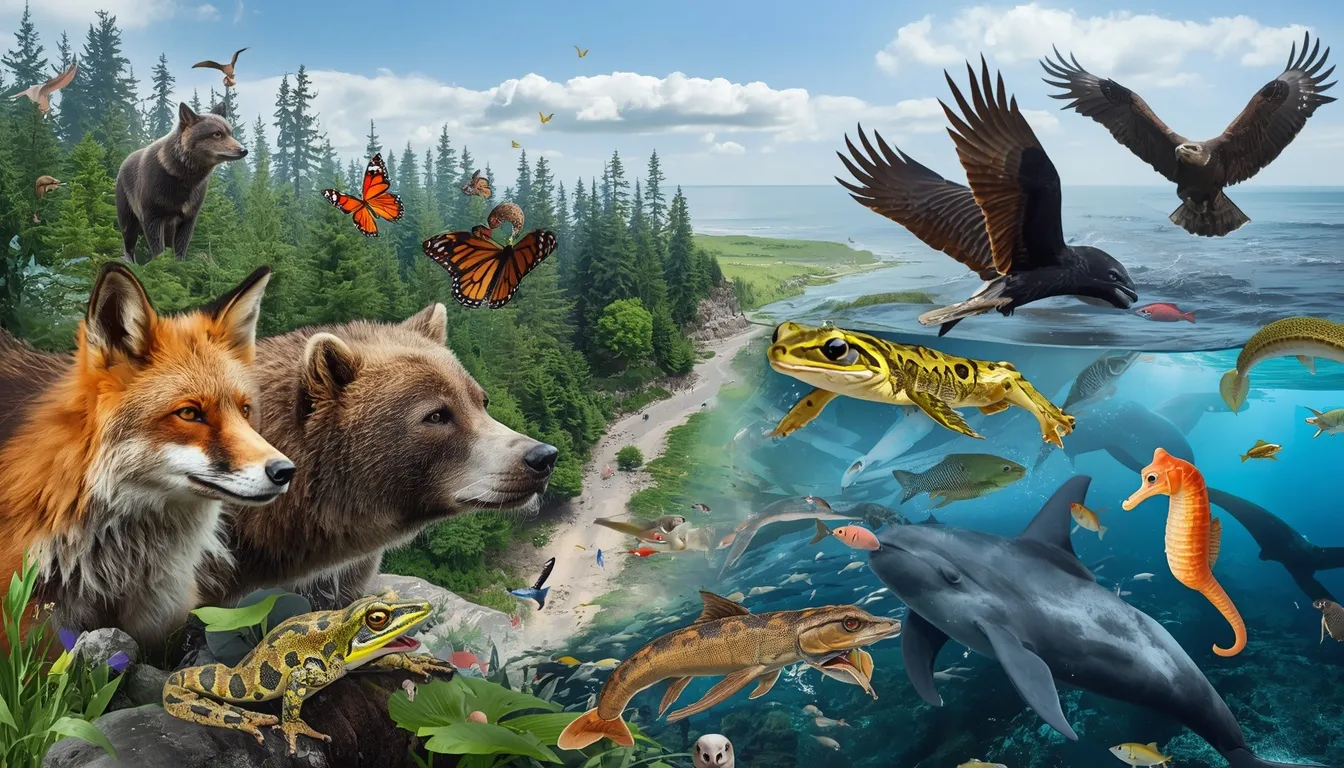
Insects may not be everyone’s favorite topic, but they are part of everyday life. You may see them in a garden, forest, park, or even inside your home. Learning their German names can help you describe what you see.
| German | English |
| Biene | Bee |
| Wespe | Wasp |
| Moskito | Mosquito |
| Fliege | Fly |
| Spinne | Spider |
| Heuschrecke | Grasshopper |
| Kakerlake | Cockroach |
| Schmetterling | Butterfly |
| Ameise | Ant |
| Motte | Moth |
| Schnecke | Snail |
| Nacktschnecke | Slug |
Schmetterling is one of the most interesting German insect words for beginners. It means butterfly. It may look difficult at first, but repeated practice makes it much easier to say and remember.
German Animal Names for Birds
Birds are easy to notice when you walk through a park or forest. Germany has many bird species, from small sparrows to large birds of prey. Bird vocabulary is also useful for nature lovers and travelers.
| German | English |
| Möwe | Seagull |
| Krähe | Crow |
| Adler | Eagle |
| Taube | Dove/Pigeon |
| Eule | Owl |
| Elster | Magpie |
| Spatz | Sparrow |
| Pfau | Peacock |
Try making simple sentences with these words. For example, Der Adler fliegt means “The eagle flies.” Short sentences like this help you learn vocabulary and basic German grammar at the same time.
German Animal Names for Reptiles and Amphibians
Germany may not be famous for reptiles, but several species can be found in its natural areas. Frogs, toads, lizards, turtles, and snakes are useful words for nature talks. Some names are also easy to remember because they sound similar to English.
| German | English |
| Frosch | Frog |
| Kröte | Toad |
| Krokodil | Crocodile |
| Eidechse | Lizard |
| Schildkröte | Turtle |
| Meeresschildkröte | Sea turtle |
| Schlange | Snake |
A useful word here is Schildkröte, which means turtle. It may seem long at first, but German often joins words together. Learning these longer words in small parts can make German vocabulary much less stressful.
Animal Body Parts in German
Knowing german animal names is only the first step. You may also want to describe how an animal looks. For this, animal body parts are very helpful. These words can help you write simple descriptions or understand nature texts.
| German | English |
| Schwanz | Tail |
| Haar | Hair |
| Pelz | Fur |
| Zahn | Tooth |
| Fangzahn | Fang |
| Klaue | Claw |
| Horn | Horn |
| Huf | Hoof |
| Feder | Feather |
| Flügel | Wing |
| Schnabel | Beak |
| Mund | Mouth |
| Flosse | Fin |
| Tentakel | Tentacle |
| Mähne | Mane |
| Rüssel | Trunk |
| Stoßzahn | Tusk |
| Fühler | Antenna |
| Bein | Leg |
| Schuppe | Scale |
| Kieme | Gill |
You can combine these words with animal names to create simple descriptions. For example, Der Elefant hat einen langen Rüssel means “The elephant has a long trunk.” This is a great way to move from single words to real German sentences.
How to Use German Animal Names in Simple Sentences
Vocabulary becomes easier when you use it in context. You do not need complex grammar at first. Start with short sentences that describe an animal, its action, or its location.
Here are some useful examples:
Die Katze schläft. — The cat is sleeping.
Der Hund läuft. — The dog is running.
Der Vogel fliegt. — The bird is flying.
Der Fuchs ist schnell. — The fox is fast.
Das Pferd ist groß. — The horse is big.
Die Maus ist klein. — The mouse is small.
Der Fisch schwimmt. — The fish is swimming.
Der Adler fliegt hoch. — The eagle flies high.
Notice how simple these sentences are. This is intentional. Short sentences let you practice German vocabulary, word order, and verbs without feeling overwhelmed.
Funny German Animal Names
Some German animal words can sound funny to English speakers. This is often because German joins words together or uses sounds that are not common in English. If you search for funny german animal names, you may find words that look strange but have very normal meanings.
For example, Meerschweinchen means guinea pig. The word looks unusual because it is made from several parts. Seepferdchen means seahorse, while Schildkröte means turtle.
These words are a good reminder that a strange-looking German word does not always have a strange meaning. In fact, breaking compound words into smaller pieces can make them easier to understand.
More German Animal Names That Sound Funny
If you enjoy language jokes, German animal vocabulary can be surprisingly entertaining. Some words look almost like tiny descriptions packed into one word. This is one reason learners often search for german animal names funny examples.
Here are a few memorable ones:
Meerschweinchen — Guinea pig
Seepferdchen — Seahorse
Eichhörnchen — Squirrel
Nacktschnecke — Slug
Faultier — Sloth
Schildkröte — Turtle
Schmetterling — Butterfly
The fun part is not only the meaning. It is also the sound. Saying a long German word correctly can feel like a small achievement. With regular practice, even difficult words start to feel natural.
German Animal Idioms You Should Know
Animals appear in many German expressions. These phrases are not always meant literally. Learning them can help you understand casual German and make conversations more interesting.
| German Expression | Meaning in English |
| Die Katze im Sack kaufen | To buy a pig in a poke |
| Ein blindes Huhn findet auch ein Korn | Even a blind hen finds a grain |
| Jemandem einen Bären aufbinden | To tell someone a tall tale |
| Alles für die Katz | It was all for nothing |
| Da steppt der Bär | The place is lively |
| Du hast doch einen Vogel | You are acting crazy |
| Da wird der Hund in der Pfanne verrückt | That’s unbelievable or very annoying |
| Wie ein Elefant im Porzellanladen | Like a bull in a china shop |
These expressions show how deeply animals are woven into language. A word like Katze is not only useful for naming a cat. It can also appear in an idiom with a completely different meaning.
How to Remember German Animal Vocabulary
Memorizing a large list can feel boring. A better method is to learn a few words at a time. Pick five animals and use each one in a short sentence.
You can also group words by place. Learn pets first, then farm animals, forest animals, birds, insects, and sea animals. This creates small mental groups and makes recall easier.
Another useful trick is to learn the article with the noun. For example, use die Katze, der Hund, and das Pferd instead of learning only Katze, Hund, and Pferd. This gives you a stronger base for future German grammar.
German Animal Vocabulary for Travelers
If you plan to visit Germany, animal vocabulary can be useful in many situations. You may see birds near a lake, horses in rural areas, or wildlife while walking in a forest. You may also need animal words when talking about a pet.
A few basic phrases can help:
Was ist das für ein Tier? — What animal is that?
Wie heißt dieses Tier auf Deutsch? — What is this animal called in German?
Ich mag Hunde. — I like dogs.
Ich habe eine Katze. — I have a cat.
Ist das ein Fuchs? — Is that a fox?
Wo kann ich Tiere sehen? — Where can I see animals?
These phrases are simple but practical. They also give you a chance to use your new vocabulary in real conversations.
German Animal Names: Quick Review
By now, you have seen animal words from many parts of the natural world. Here is a quick review of some useful terms:
Katze — Cat
Hund — Dog
Pferd — Horse
Kuh — Cow
Fuchs — Fox
Wolf — Wolf
Bär — Bear
Eichhörnchen — Squirrel
Adler — Eagle
Eule — Owl
Frosch — Frog
Schlange — Snake
Fisch — Fish
Delfin — Dolphin
Schmetterling — Butterfly
Do not try to memorize everything in one sitting. Choose a small group today and review it again tomorrow. Small steps often work better than trying to learn a huge list at once.
Frequently Asked Questions About German Animal Names
What is the German word for animal?
The German word for animal is Tier. The plural is Tiere, which means animals. For example, Ich mag Tiere means “I like animals.”
What are the most common German animal names?
Some common words include Katze for cat, Hund for dog, Pferd for horse, Kuh for cow, Vogel for bird, and Fisch for fish. These are useful words for beginners.
What are some funny German animal names?
Words such as Meerschweinchen, Eichhörnchen, Seepferdchen, and Schildkröte can sound funny or unusual to English speakers. Their meanings, however, are completely normal.
Why are some German animal names so long?
German often joins two or more words to create one compound word. This can make some animal names look long. Once you learn the smaller parts, the meaning can become easier to understand.
What is the German word for dog?
The German word for dog is Hund. With the article, you can say der Hund, meaning “the dog.”
What is the German word for cat?
The German word for cat is Katze. The full form with its common article is die Katze.
How can I memorize German animal names quickly?
Start with five to ten words. Learn the German word, English meaning, article, and one short sentence. Review the same words often instead of trying to memorize the entire list at once.
Are German animal names useful for beginners?
Yes. Animal words are simple, common, and easy to practice with pictures. They also help beginners build basic sentences and learn German noun articles.
Conclusion
Learning german animal names is a fun way to expand your German vocabulary. From Katze and Hund to Fuchs, Adler, and Delfin, these words cover pets, farms, forests, birds, insects, reptiles, and sea life.
The best part is that you do not need to learn them all at once. Start with the animals you already know and use them in short sentences. Then add a few new words each day.
Some words may seem strange at first, especially Eichhörnchen or Meerschweinchen. Give them time. With practice, even the longest German animal words can become familiar. Keep learning, keep speaking, and soon you will be able to talk about animals with much more confidence in German.