Introduction
Measles is a very contagious viral illness. It can spread fast when people share the same room, stadium, shop, or other busy place. Recent health alerts in parts of the United States show why people should know the signs and act early.
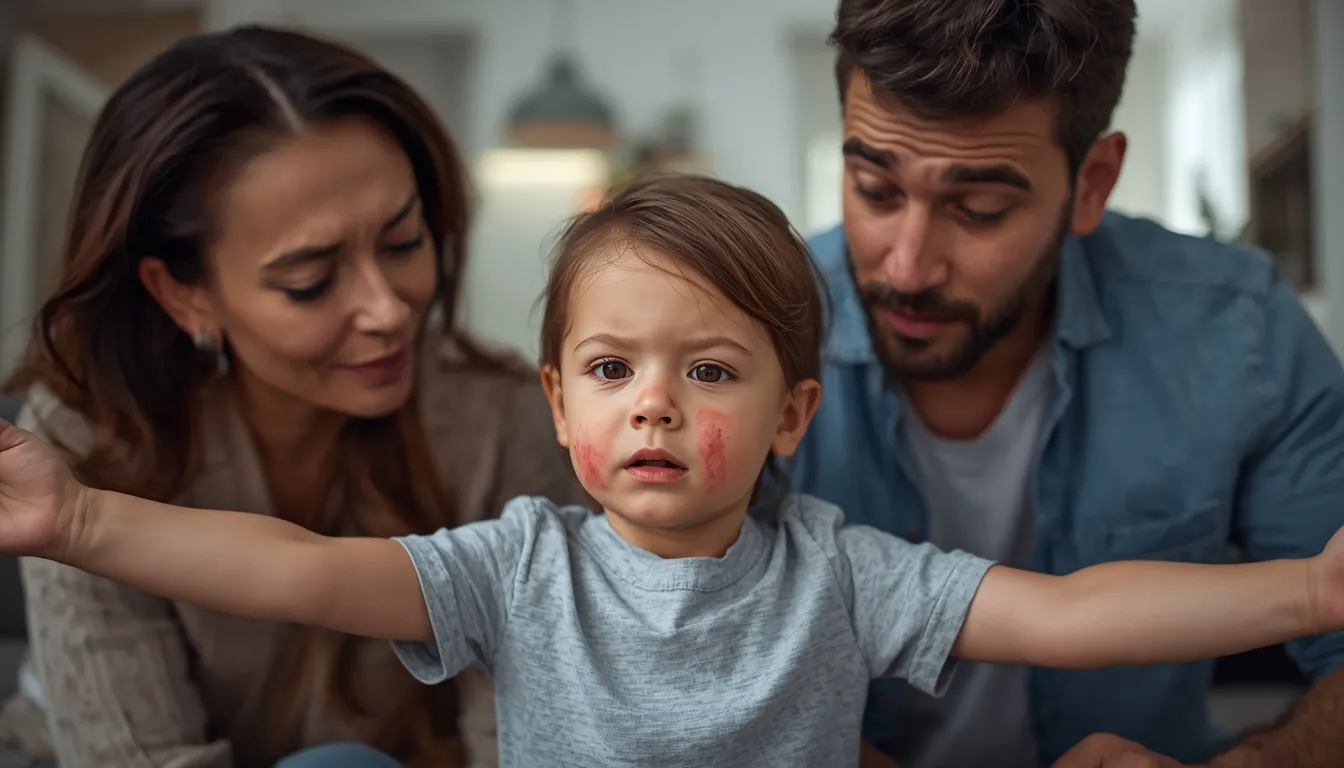
The illness often starts like a common cold. A person may have a fever, cough, runny nose, and red or watery eyes. A few days later, a rash may appear. Knowing these Measles symptoms can help people take the right steps and avoid spreading the Measles virus to others.
What Is Measles?
Measles is an infection caused by the Measles virus. It spreads through the air when an infected person breathes, coughs, or sneezes. The virus can also stay in the air for some time after the sick person leaves.
This makes measles different from many common infections. A person may enter a room after an infected person has left and still face a risk. The virus can spread quickly among people who have little or no immunity.
Why Measles Can Spread So Fast
Imagine a tiny cloud that you cannot see. When an infected person coughs or breathes, virus particles can enter the air around them. Other people nearby may breathe them in without knowing they were exposed.
A person with measles can also visit many places before the rash appears. This is one reason public health teams may issue exposure alerts after finding a confirmed case. Busy places such as sports venues, bars, trains, airports, and stores can make contact harder to track.
Read More : Muse AI: How Meta’s New AI Agent Is Changing the Tech Market
Recent Exposure Alerts Show the Risk
Health officials in Missouri recently warned about possible measles exposure at several St. Louis-area locations. One reported exposure involved Busch Stadium on September 12, while other possible exposures were linked to local businesses over September 12 to 14.
The alerts were meant to help people who may have been nearby. Anyone who was present during a listed exposure period was advised to watch for symptoms for up to 21 days. This type of warning does not mean every person at the location became infected.
How Long Does It Take for Symptoms to Appear?
The first Measles symptoms often appear about one to two weeks after exposure. In some cases, symptoms can take as long as 21 days to develop.
This waiting period is important. A person may feel well for several days after contact with the virus. If you think you were exposed, keep track of the date and watch for changes in your health.
Common Measles Symptoms
The illness often begins with signs that may look like a normal cold or flu. Early symptoms can include:
Fever
Dry cough
Runny nose
Red or watery eyes
Feeling tired or unwell
Loss of appetite
A measles rash usually appears after these early symptoms. It often starts on the face or head and then moves down the body. The rash can make the illness easier to recognize.
Measles Symptoms: What to Watch For
| Symptom | What it may look like |
| Fever | Body temperature becomes high |
| Cough | Persistent dry cough |
| Runny nose | Clear or watery nasal discharge |
| Red eyes | Eyes may look irritated or watery |
| Rash | Often starts on the face and spreads downward |
| Tiredness | Feeling weak or unwell |
These signs can have other causes too. A rash alone does not prove that someone has measles. If there is a known exposure, it is important to tell a health professional about it.
When Can Measles Spread to Others?
A person can spread the Measles virus before the rash becomes obvious. This is a key reason why measles can move through a community without being noticed at first.
People who have not been vaccinated or who do not have immunity may face a higher risk. Infants who are too young for certain vaccines and people with weakened immune systems can also need extra protection.
Why Public Places Need Special Attention
A single infected person can pass through many places in a short time. A stadium visit may involve seats, walkways, restrooms, food areas, and transport before and after the event.
The same issue can happen on trains and at airports. Recent exposure notices linked to public travel and busy locations show how quickly health officials may need to trace possible contacts. These alerts help people know when to watch for illness.
Measles and Vaccination
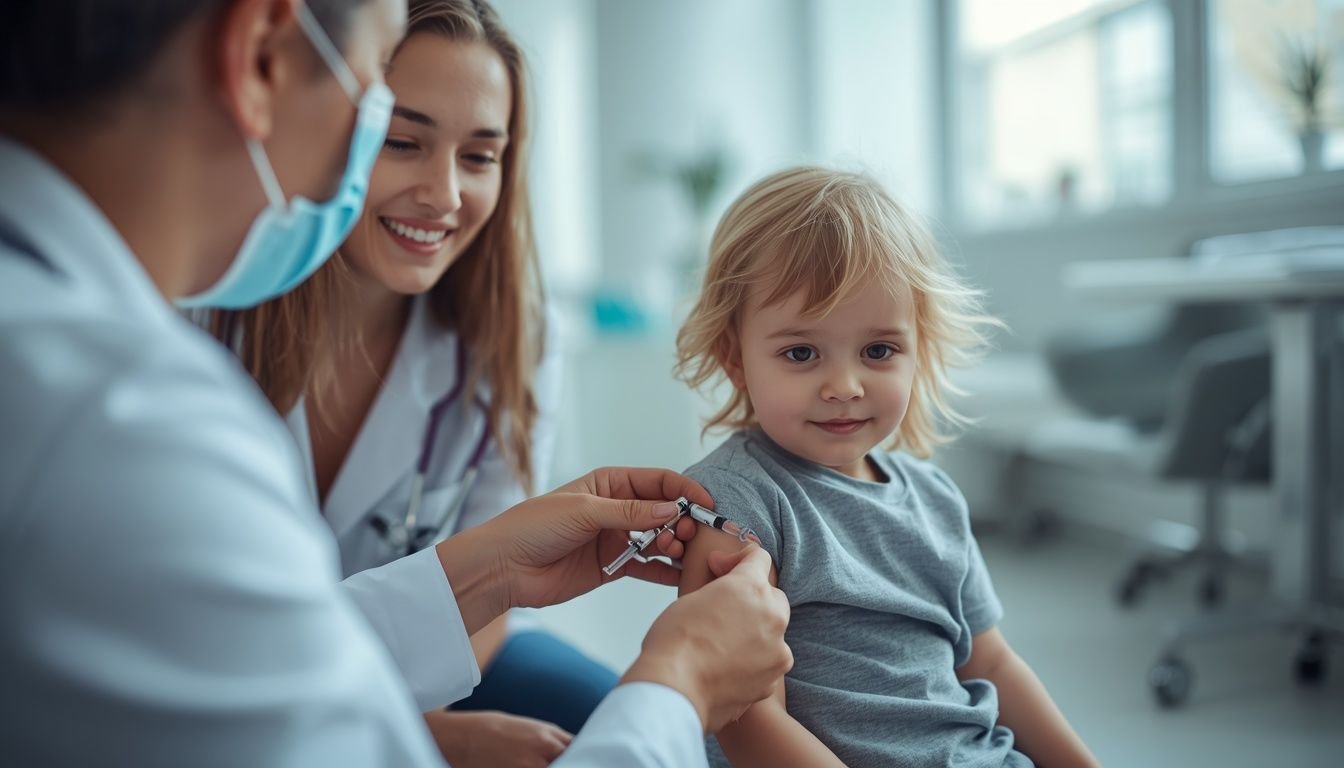
The Measles vaccine is the main way to prevent this infection. The MMR vaccine protects against measles, mumps, and rubella. When people are fully vaccinated, the risk of getting measles is much lower.
Vaccination also helps protect people who may be more vulnerable. Think of community immunity as a wall with many bricks. The more protected people there are, the harder it is for the virus to move from one person to another.
Who May Need Extra Care?
Some people may face a higher risk of serious illness after exposure. This can include young children, pregnant people who are not immune, and people with weakened immune systems.
If you know you were exposed and you are unsure about your immunity, contact a health professional. Do not wait for a rash before asking what steps may be needed. Some people may qualify for preventive care after exposure.
Measles Treatment: What You Should Know
There is no simple medicine that removes the Measles virus from the body at once. Measles treatment mainly focuses on rest, fluids, fever control, and care for problems that may develop. A doctor may also check for other infections or complications.
If you think you have measles, call a health provider before going to a clinic. This helps protect other patients and staff from possible exposure. Avoid close contact with people who may not be immune.
How to Care for Someone With Measles
Rest is important while the body fights the infection. Drink enough fluids and follow medical advice for fever or discomfort. Keep the room comfortable and avoid close contact with others.
Good hygiene also matters. Wash your hands often and clean commonly touched items. Most importantly, follow local health advice about staying home and limiting contact with other people.
Can Measles Cause Complications?
For some people, measles can become serious. Possible complications include ear infections, diarrhea, pneumonia, and swelling of the brain. Young children are among those who need close attention.
Severe illness can sometimes lead to hospital care. This is why measles should not be treated as just a mild rash. If breathing trouble, severe weakness, confusion, dehydration, or other serious signs appear, seek urgent medical help.
Measles Vaccine and Prevention
The Measles vaccine is one of the strongest tools against the disease. The MMR vaccine helps protect against measles, mumps, and rubella. Two recommended doses provide very strong protection for most people.
Vaccination records can be useful if you are unsure about your status. If you cannot find your records, ask a health professional what to do. Do not assume you are protected based only on memory.
What to Do After Possible Exposure
If you were in a place where possible exposure occurred, note the date and time you were there. Then monitor yourself for Measles symptoms for up to 21 days after the suspected exposure.
Pay close attention to fever, cough, runny nose, red eyes, and a later rash. If symptoms develop, call ahead before visiting a medical facility. This simple step can help reduce the chance of exposing other people.
Measles Exposure: Quick Action Plan
If you think you may have been exposed, these steps can help:
- Write down the date of possible exposure.
- Check your vaccination or immunity records.
- Watch for symptoms for 21 days.
- Avoid close contact if symptoms begin.
- Call a doctor before visiting a clinic.
- Tell the provider about the possible exposure.
- Follow local public health advice.
Early action is like putting out a small spark before it becomes a fire. It can help protect you, your family, and people around you.
Measles vs. a Common Cold
Early Measles symptoms can look like a cold. Both may cause cough and a runny nose. However, measles often brings a high fever, red or watery eyes, and a spreading rash.
Because the early signs can overlap, symptoms alone may not be enough to confirm measles. A known exposure is an important detail to share with a health professional. Testing and medical assessment may be needed.
Why Vaccination Status Matters
Many people may not remember which vaccines they received years ago. This is common, especially when records are old or difficult to find. Checking your records can give you a clearer picture of your protection.
People who are unsure about their immunity should ask a qualified health professional for advice. Extra care may be needed for infants, pregnant people who are not immune, and those with weakened immune systems.
Frequently Asked Questions About Measles
1. What is measles?
Measles is a highly contagious disease caused by the measles virus. It commonly causes fever, cough, runny nose, red eyes, and a characteristic rash.
2. What are the first Measles symptoms?
Early symptoms often include fever, cough, runny nose, and red or watery eyes. A rash may appear several days later and often begins on the face.
3. How does measles spread?
The Measles virus spreads through the air when an infected person breathes, coughs, or sneezes. It can remain in the air for a period after the infected person leaves.
4. Is there a Measles treatment?
There is no specific medicine that instantly cures measles. Measles treatment mainly provides supportive care and manages symptoms or complications under medical guidance.
5. Can the Measles vaccine prevent infection?
Yes. The MMR Measles vaccine provides strong protection against measles. Keeping vaccination up to date is a key way to reduce the risk of infection.
6. How long should I watch for symptoms after exposure?
People who may have been exposed should monitor for symptoms for up to 21 days from the suspected exposure date. Follow the advice of local health officials or a doctor.
7. What should I do if I develop symptoms after exposure?
Call a health provider before going to a clinic or hospital. Tell them that you may have been exposed to measles so they can advise you safely and help protect other patients.
Final Thoughts
Measles can spread quietly before its most recognizable rash appears. That is why knowing the symptoms, checking vaccination status, and responding quickly after a possible exposure matter.
If you think you have been exposed, stay alert for 21 days and seek medical advice if symptoms appear. A simple call before visiting a health facility can also help prevent further spread. Awareness and vaccination remain key parts of measles prevention.